
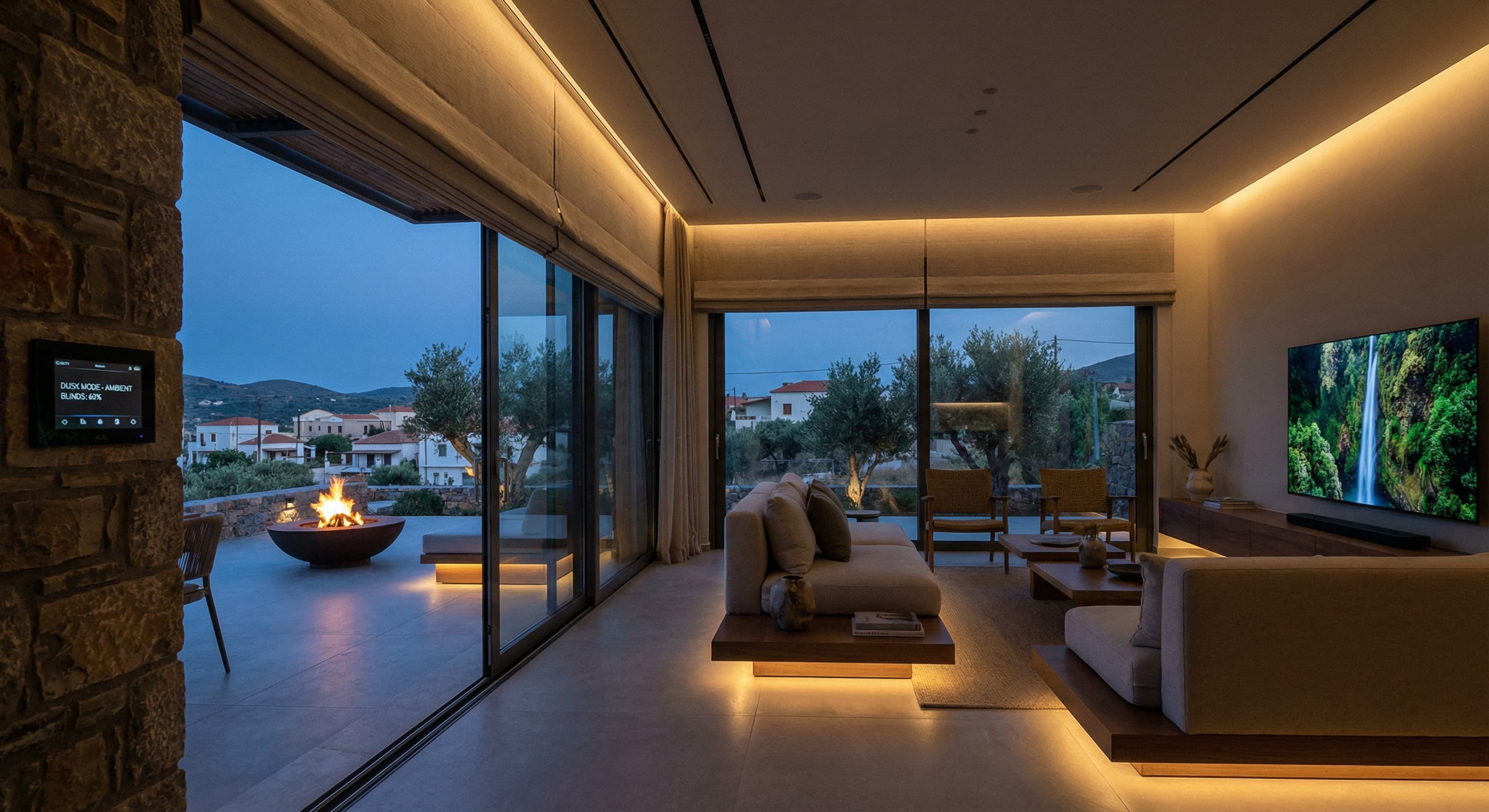
Τοπικό vs Cloud στο Smart Home: τι ρισκάρεις όταν “όλα περνάνε από server”
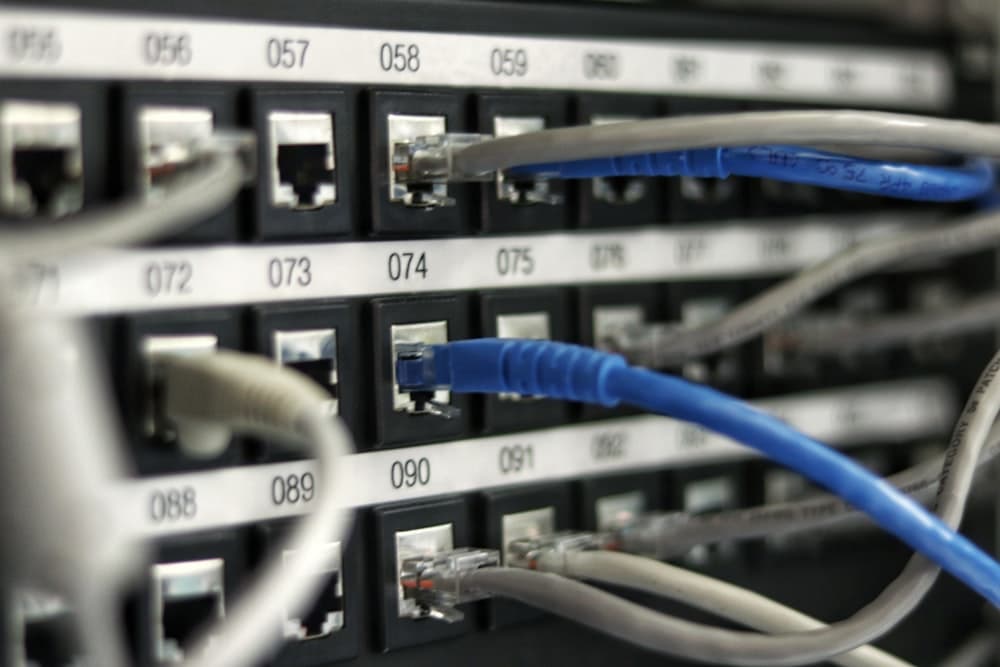
Όταν λέμε “smart home”, πολλοί εννοούν: «ανοίγω το app και κάνω πράγματα από όπου θέλω». Αυτό συνήθως σημαίνει ότι οι εντολές περνάνε από κάποιο cloud server του κατασκευαστή. Δεν είναι απαραίτητα κακό. Αλλά έχει κόστος — όχι μόνο οικονομικό, κυρίως ρίσκο.
Η βασική ερώτηση που πρέπει να κάνει ένας ιδιώτης (και ακόμη περισσότερο ένας κατασκευαστής/μηχανολόγος) είναι:
Αν χαθεί το internet ή αλλάξει κάτι στο cloud, τι συνεχίζει να δουλεύει;
1) Τι σημαίνει “Τοπικό” και τι σημαίνει “Cloud”
Τοπικό (Local)
- Οι αυτοματισμοί τρέχουν μέσα στο σπίτι/κτίριο (controller, bus, gateway).
- Οι συσκευές “μιλάνε” μεταξύ τους χωρίς να χρειάζονται internet.
- Το internet είναι προαιρετικό: για remote πρόσβαση, updates, ειδοποιήσεις.
Παράδειγμα: KNX, ή ένα σύστημα όπου οι βασικοί κανόνες/σκηνές τρέχουν σε local controller.
Cloud
- Η εφαρμογή/φωνή/εντολή στέλνεται σε server και μετά επιστρέφει πίσω στο σπίτι.
- Συχνά χρειάζονται: λογαριασμοί, tokens, cloud APIs, vendor infrastructure.
- Πολλές “έξυπνες” λειτουργίες σταματούν χωρίς cloud.
Παράδειγμα: Wi-Fi gadgets που για automations βασίζονται στο vendor cloud.
2) Τα 6 βασικά ρίσκα όταν “όλα περνάνε από server”
Ρίσκο 1: Διακοπή internet = απώλεια λειτουργιών
Δεν είναι μόνο το “έπεσε η γραμμή”. Είναι και: router update, αλλαγή ISP, DNS προβλήματα, Wi-Fi θέματα, captive portals. Σε cloud-heavy σπίτια, μια μικρή δικτυακή αστάθεια γίνεται λειτουργικό πρόβλημα (“δεν ανάβει”, “δεν εκτελεί σκηνές”, “αργεί”).
Ρίσκο 2: Ο vendor μπορεί να αλλάξει όρους ή να κλείσει υπηρεσίες
Cloud σημαίνει: κάποιος τρίτος “κρατά” κομμάτι της λειτουργίας σου. Και αυτό μπορεί να αλλάξει:
- να γίνει paid subscription,
- να αφαιρεθούν integrations,
- να αλλάξει το API,
- να καταργηθεί προϊόν/σειρά,
- να κλείσει η υπηρεσία.
Για υποδομές (φώτα/ρολά/HVAC) αυτό είναι απαράδεκτο ρίσκο.
Ρίσκο 3: Latency και “παράξενα” failures
Όταν η εντολή πάει “σπίτι → internet → server → internet → σπίτι”, εισάγεις καθυστερήσεις, timeouts, και σιωπηλές αποτυχίες.
Ρίσκο 4: Privacy / δεδομένα συμπεριφοράς
Ένα smart home παράγει “μοτίβα ζωής”: πότε λείπεις, πότε κοιμάσαι, θερμοκρασίες, κατανάλωση. Όταν αυτό περνάει cloud, δημιουργείς ένα προφίλ χρήσης που δεν είναι πάντα αναγκαίο να βγαίνει εκτός σπιτιού.
Ρίσκο 5: Cybersecurity επιφάνεια επίθεσης
Cloud-only λύσεις συνήθως σημαίνουν περισσότερους λογαριασμούς, tokens, integrations. Αυξάνεις την επιφάνεια επίθεσης χωρίς λόγο, ειδικά για κάμερες και κλειδαριές.
Ρίσκο 6: Vendor lock-in
Στην αρχή μοιάζει “εύκολο”. Μετά από 2 χρόνια έχεις 40 συσκευές και ξαφνικά δεν μπορείς να αλλάξεις πλατφόρμα χωρίς να “χαθούν όλα”.
3) Τι κρατάμε τοπικό και τι μπορεί να είναι cloud
Κράτα τοπικό ό,τι είναι “κρίσιμο”
- Φωτισμός βασικών χώρων
- Ρολά/σκίαση
- HVAC setpoints / fan coils / ζώνες
- Σενάρια ασφαλείας (Away, Panic)
- Door/window logic (π.χ. HVAC off όταν ανοίγει μπαλκονόπορτα)
- Βασικές σκηνές (Welcome / Night / All off)
Άφησε cloud μόνο σε “ευκολίες”, με plan B
- Voice assistants (ωραίο, όχι απαραίτητο)
- Remote πρόσβαση (ιδανικά μέσω VPN)
- Push notifications (εφόσον έχεις local triggers)
- Analytics / dashboards (αν δεν επηρεάζουν την λειτουργία)
Στόχος: Αν αύριο χαθεί το internet, το σπίτι να είναι 100% λειτουργικό στα βασικά.
4) “Ναι αλλά θέλω απομακρυσμένο έλεγχο”
Και σωστά. Απλώς ο καλύτερος σχεδιασμός είναι:
- local-first λειτουργία (κανόνες/σκηνές τρέχουν μέσα στο σπίτι),
- remote access ως πρόσθετο layer (ασφαλές VPN / ασφαλές gateway),
- όχι “όλα από cloud” ως προϋπόθεση.
Έτσι έχεις και άνεση και αξιοπιστία.
5) Μικρό checklist πριν επιλέξεις λύση
Ρώτα τον εγκαταστάτη/προμηθευτή (ή τον εαυτό σου):
- Οι αυτοματισμοί δουλεύουν χωρίς internet; Ποιο ποσοστό;
- Αν ο vendor server κλείσει, τι χάνεται;
- Πού αποθηκεύονται δεδομένα/ιστορικό; Μπορεί να απενεργοποιηθεί;
- Υπάρχει manual control που πάντα δουλεύει;
- Υπάρχει τρόπος ασφαλούς remote πρόσβασης χωρίς “ανοιχτές πόρτες”;
- Μπορώ να επεκταθώ χωρίς να εγκλωβιστώ σε μία μάρκα;
Συμπέρασμα
Το cloud είναι χρήσιμο, αλλά δεν πρέπει να είναι προϋπόθεση για να λειτουργεί το σπίτι. Το σωστό smart home είναι local-first: αξιόπιστο σαν ηλεκτρολογική εγκατάσταση, με cloud μόνο εκεί που προσφέρει πραγματική αξία.
Σχετικά Άρθρα
Cyber Resilience Act: Τι αλλάζει στην ασφάλεια των smart συσκευών και τι να προσέχετε όταν αγοράζετε
Από τις 11 Σεπτεμβρίου 2026 οι κατασκευαστές IoT υποχρεούνται να αναφέρουν ευπάθειες εντός 24 ωρών. Η ΕΕ βάζει επιτέλους κανόνες στην ασφάλεια του έξυπνου σπιτιού. Δείτε τι σημαίνει για εσάς.
Διαβάστε περισσότερα →
Είναι ασφαλές το KNX; Τι μάθαμε από τις επιθέσεις και πώς προστατεύεται ένα έξυπνο σπίτι το 2026
Οι επιθέσεις σε εγκαταστάσεις KNX έγιναν σχεδόν πάντα από το ίδιο λάθος: μια ανοιχτή θύρα στο router. Τι πρέπει να ελέγξετε, τι είναι το KNX Secure, πώς γίνεται σωστά η απομακρυσμένη πρόσβαση και τι αλλάζει με τους νέους κανόνες της ΕΕ.
Διαβάστε περισσότερα →