
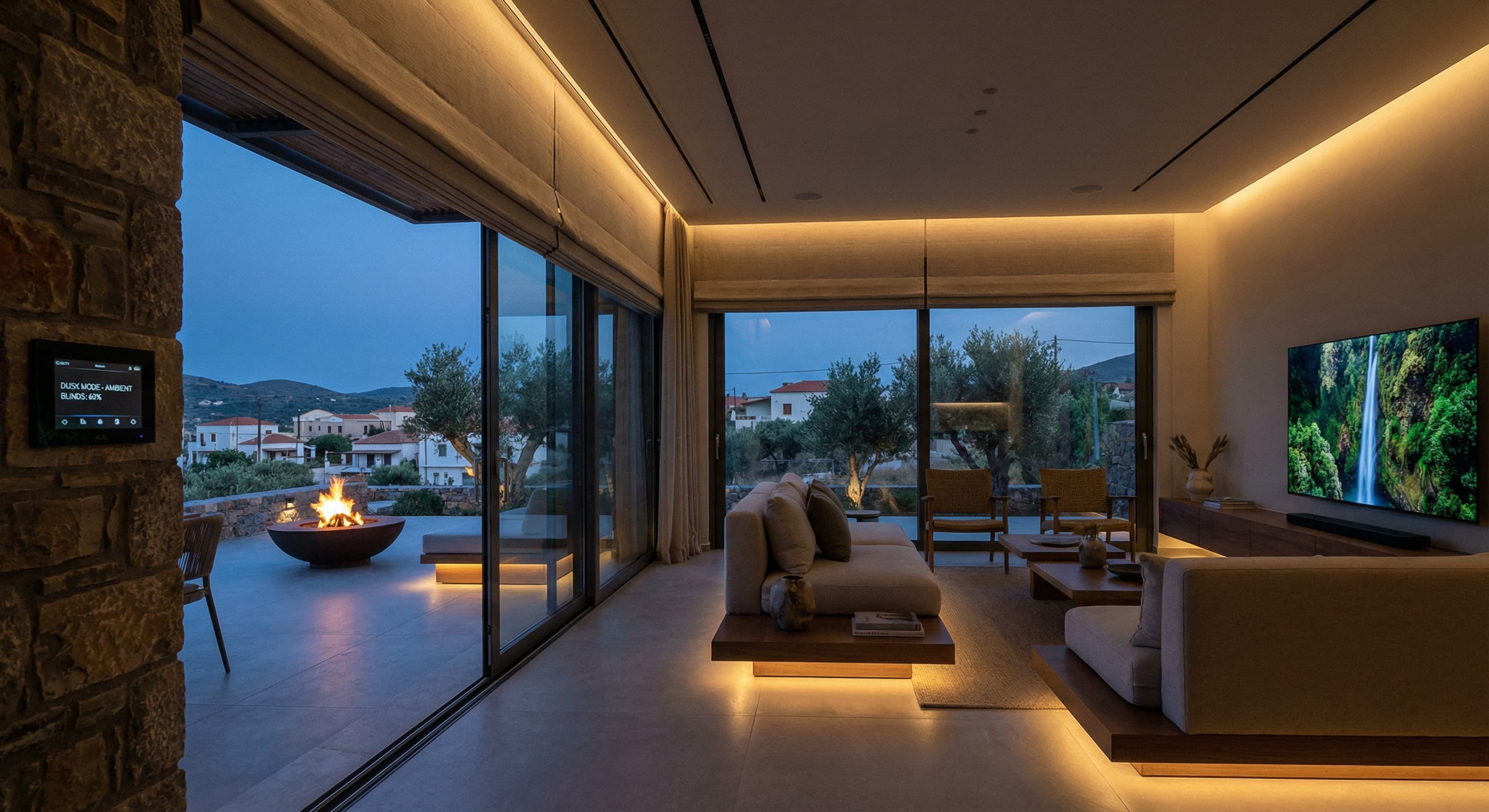
Φωτισμός: On/Off vs Dimming vs DALI — και τι σημαίνει «ωραία ατμόσφαιρα»
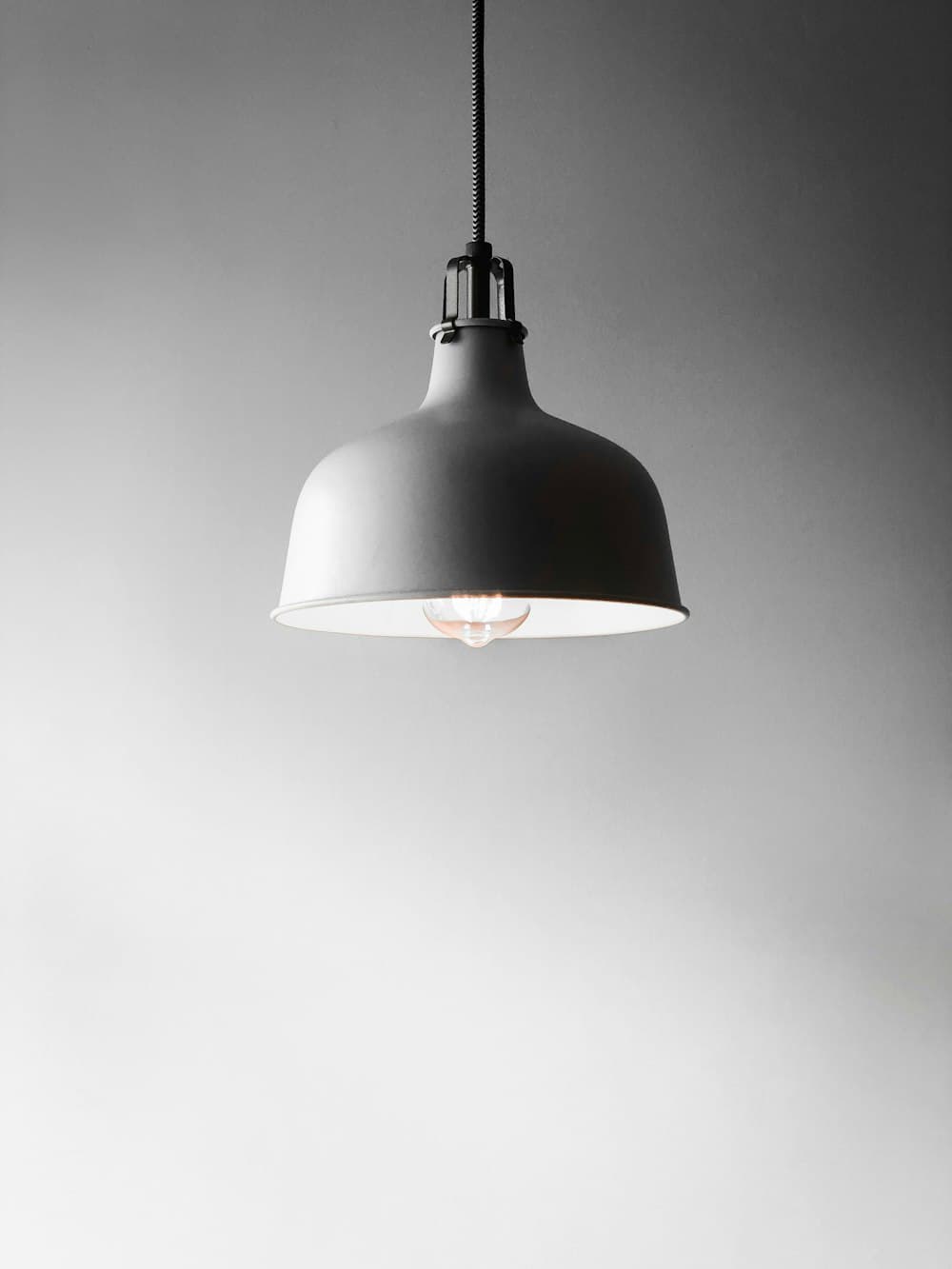
Ο φωτισμός είναι το πιο “ορατό” κομμάτι ενός smart home: μπορεί να κάνει έναν χώρο να φαίνεται premium, ή να τον κάνει να μοιάζει με γραφείο/νοσοκομείο. Και το μυστικό δεν είναι να βάλεις πολλά spots. Είναι να σχεδιάσεις έλεγχο: ένταση, θερμοκρασία χρώματος, σκηνές, και συνέπεια.
Σε αυτό το άρθρο ξεκαθαρίζουμε:
- πότε αρκεί on/off
- πότε χρειάζεται dimming
- τι ρόλο παίζει το DALI
- τι σημαίνουν dimmable / tunable
- και πώς μπαίνει ο κιρκάδιος κύκλος (circadian lighting) χωρίς υπερβολές.
1) On/Off: απλό, αλλά έχει ταβάνι
Το on/off είναι το “κλασικό”: άναψε/σβήσε. Είναι σωστό όταν:
- ο χώρος είναι βοηθητικός (αποθήκη, WC, λεβητοστάσιο),
- θες καθαρή λειτουργικότητα,
- δεν σε νοιάζει ιδιαίτερα ατμόσφαιρα.
Πού αποτυγχάνει: Σαλόνι, τραπεζαρία, υπνοδωμάτιο. Εκεί το on/off δημιουργεί πάντα το ίδιο “επίπεδο” φωτός — συχνά υπερβολικό, επίπεδο και κουραστικό.
2) Dimming: η πραγματική αναβάθμιση στην καθημερινότητα
Το dimming δεν είναι “gimmick”. Είναι ο τρόπος να έχεις:
- ίδιο φωτιστικό σώμα, αλλά διαφορετική αίσθηση χώρου
- φωτισμό “συμπεριφοράς”: άλλο για καθαριότητα, άλλο για χαλάρωση, άλλο για TV
Αυτό που αλλάζει τη ζωή είναι οι σκηνές:
- Welcome (ζεστό, ήπιο)
- Dinner (ισορροπημένο)
- Movie (χαμηλό, χωρίς αντανακλάσεις)
- Night path (πολύ χαμηλό, ασφαλές)
- Cleaning (έντονο, “τεχνικό”)
Με dimming, το σπίτι σταματά να είναι “αναμμένο” ή “σβηστό” και γίνεται ρυθμισμένο.
3) Τρόποι dimming: μην τα μπερδεύεις
Υπάρχουν 3 συνηθισμένες κατηγορίες:
(α) Phase-cut dimming (TRIAC / trailing / leading edge) Κλασικό σε retrofit, δουλεύει σε 230V, αλλά:
- θέλει σωστό συνδυασμό dimmer + driver
- μπορεί να έχει τρεμόπαιγμα (flicker) αν δεν ταιριάζουν
(β) 0–10V dimming Πιο “επαγγελματικό” για συγκεκριμένα drivers/ταινίες, με ξεκάθαρη λογική, αλλά θέλει καλωδίωση control.
(γ) DALI (Digital Addressable Lighting Interface) Εδώ μπαίνει το “serious lighting control”.
4) Τι είναι το DALI και γιατί θεωρείται premium
Το DALI είναι ψηφιακό πρωτόκολλο φωτισμού: αντί να “κόβεις” φάση, μιλάς με drivers/ballasts.
Τι κερδίζεις:
- διευθυνσιοδότηση (addressing): κάθε driver/φωτιστικό μπορεί να έχει τη δική του ταυτότητα
- groups & scenes σε επίπεδο εγκατάστασης
- σταθερό και προβλέψιμο dimming
- δυνατότητα για feedback/monitoring (ανάλογα με το setup)
Με DALI μπορείς να έχεις ένα κύκλωμα τροφοδοσίας που εξυπηρετεί πολλά φωτιστικά, αλλά να τα ελέγχεις σε ομάδες/σκηνές λογικά, χωρίς “κοψίματα” κυκλωμάτων.
Πότε αξίζει DALI: Σε κατοικίες υψηλών απαιτήσεων, βίλες, ξενοδοχεία, χώρους με πολλά φωτιστικά, αρχιτεκτονικό φωτισμό, και όπου θες πραγματικά “ραφιναρισμένη” εμπειρία.
5) Dimmable vs Tunable: δεν είναι το ίδιο
Dimmable Αλλάζεις ένταση (brightness). Η θερμοκρασία χρώματος μένει ίδια.
Tunable (Tunable White / CCT) Αλλάζεις και θερμοκρασία χρώματος:
- 2700K: ζεστό/οικείο (βράδυ)
- 3000K: κλασικό “σπίτι”
- 4000K: ουδέτερο/εργασίας
- 5000K+: “ημέρα/γραφείο” (συνήθως όχι για σπίτι βράδυ)
Το tunable είναι ο δρόμος για κιρκάδιο κύκλο.
6) Τι σημαίνει “ωραία ατμόσφαιρα” (και γιατί δεν είναι μόνο Kelvin)
Η ατμόσφαιρα δεν είναι ένα νούμερο Kelvin. Είναι συνδυασμός:
- Layers φωτός
- γενικός φωτισμός (ambient)
- φωτισμός εργασίας (task)
- accent / wall wash / κρυφός φωτισμός
- Έλεγχος έντασης Το ίδιο σαλόνι με 100% φαίνεται “επίσκεψη σε showroom”. Με 20–40% γίνεται σπίτι.
- Κατεύθυνση/αντανάκλαση Φως που χτυπάει τοίχο/οροφή = πιο “μαλακό” και premium από φως που “βαράει” ευθεία κάτω.
- Συνέπεια σκηνών Το “Movie” πρέπει να είναι πάντα το ίδιο. Η επανάληψη χτίζει εμπιστοσύνη.
7) Κιρκάδιος κύκλος: τι είναι και πώς μπαίνει σωστά
Ο κιρκάδιος κύκλος (circadian rhythm) είναι το φυσικό ρολόι του σώματος που επηρεάζεται από το φως—ιδίως:
- την ένταση
- και το “μπλε” συστατικό (που σχετίζεται με πιο ψυχρό φως)
Η ιδέα του circadian lighting είναι:
- πιο φωτεινό/ψυχρό φως την ημέρα,
- πιο ζεστό/χαμηλό φως το βράδυ, ώστε ο χώρος να “συνεργάζεται” με τη φυσιολογία.
Πού έχει νόημα πραγματικά:
- σπίτια με πολύ χρόνο μέσα (WFH)
- υπνοδωμάτια/παιδικά δωμάτια
- ξενοδοχεία/χώροι ευεξίας
- σπίτια με περιορισμένο φυσικό φως
Πώς γίνεται ωραίο (χωρίς να το νιώσεις σαν εργαστήριο):
- δεν αλλάζει κάθε 5 λεπτά,
- δουλεύει με “καμπύλες”/μεταβάσεις,
- και πάντα επιτρέπει override (σκηνές).
8) Συμπέρασμα
- On/off: σωστό για βοηθητικά, όχι για “ατμόσφαιρα”
- Dimming: η μεγαλύτερη αναβάθμιση σε καθημερινό comfort
- DALI: όταν θες αρχιτεκτονικό, σταθερό, κλιμακούμενο lighting control
- Tunable + circadian: όταν θες premium εμπειρία που ακολουθεί την ημέρα σου
Σχετικά Άρθρα
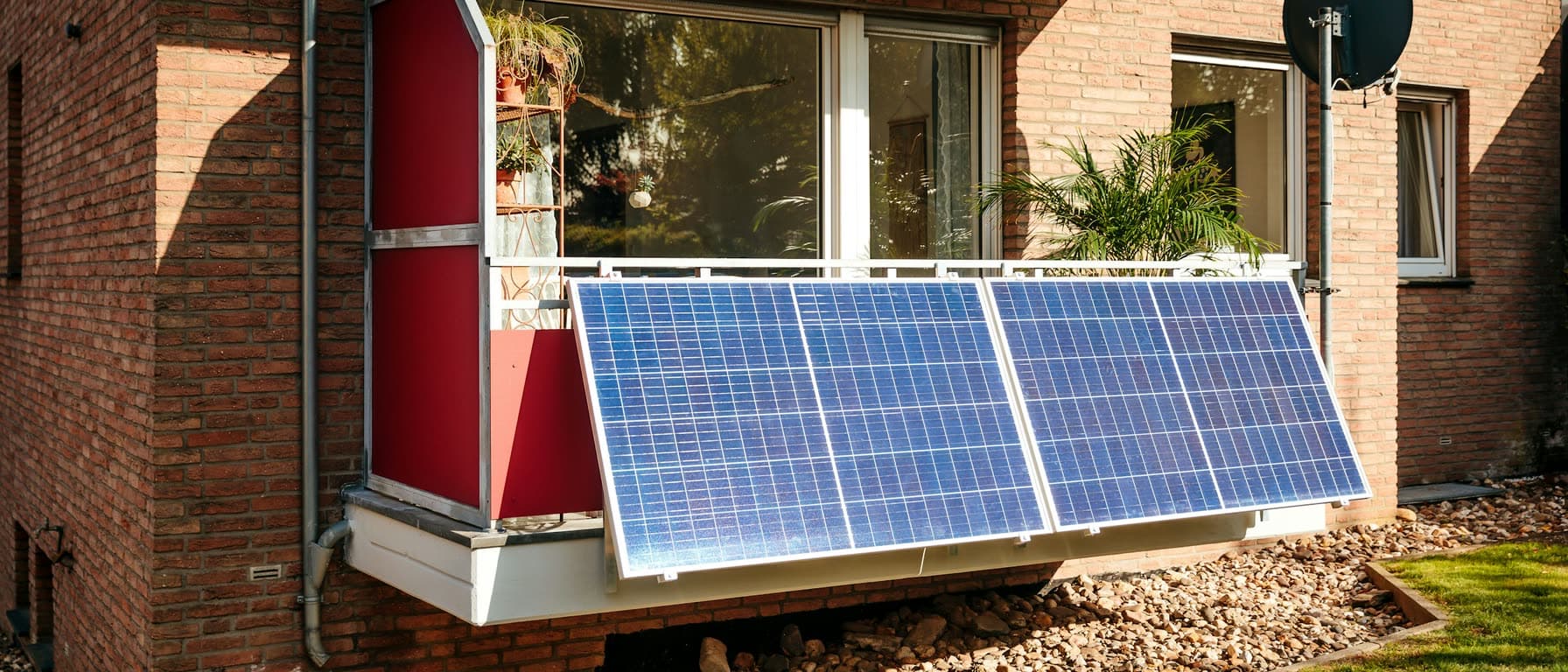
Φωτοβολταϊκό μπαλκονιού και μπαταρία χωρίς φωτοβολταϊκό: τι επιτρέπει η νέα ΚΥΑ (ΦΕΚ Β 5573/2026)
Έως 800 W από το μπαλκόνι, αυτόνομες μπαταρίες χωρίς έγχυση στο δίκτυο και νέοι κανόνες στο net billing. Τι ισχύει, τι χρειάζεται για να συνδεθείτε και πώς ο αυτοματισμός κάνει την επένδυση να αποδώσει.
Διαβάστε περισσότερα →
Οδηγία EPBD 2024/1275: τι αλλάζει για αυτοματισμό, έλεγχο και φόρτιση EV στα νέα κτίρια (οδηγός για μηχανικούς)
Η νέα Οδηγία για την Ενεργειακή Απόδοση των Κτιρίων φέρνει υποχρεώσεις για αυτοματισμό και έλεγχο σε κατοικίες και επαγγελματικά κτίρια, αυτόματο έλεγχο φωτισμού και προκαλωδίωση για φόρτιση. Τι ισχύει, με ποιες προθεσμίες, και πώς σχεδιάζουμε από τώρα.
Διαβάστε περισσότερα →