
Εξοικονόμηση Ενέργειας σε Ξενοδοχεία: Πώς ο Αυτοματισμός Μειώνει τα Λειτουργικά Κόστη
Η ενέργεια είναι από τα μεγαλύτερα λειτουργικά έξοδα μιας ξενοδοχειακής μονάδας — και το πρόβλημα δεν είναι μόνο η τιμή του ρεύματος. Είναι ότι, σε ένα κλασικό μοντέλο λειτουργίας, το ξενοδοχείο “καίει” ενέργεια όταν δεν τη χρειάζεται: δωμάτια άδεια, κλιματισμός να δουλεύει, φώτα αναμμένα, ανεμιστήρες μπάνιου χωρίς λόγο. Η καλή είδηση είναι ότι αυτό το κομμάτι είναι και το πιο εύκολο να βελτιωθεί, γιατί λύνεται με λογική αυτοματισμού και όχι με “μαγικά” μηχανήματα.
Το πρόβλημα: άσκοπη κατανάλωση (και γιατί είναι τόσο συχνή)
Στα περισσότερα ξενοδοχεία, ο επισκέπτης:
- αφήνει τον κλιματισμό ανοιχτό όταν βγει,
- ανοίγει μπαλκονόπορτα και το HVAC συνεχίζει να προσπαθεί,
- ενεργοποιεί φωτισμούς που μένουν “ξεχασμένοι”,
- ζητά δεύτερη κάρτα/κλειδί και το δωμάτιο μένει μόνιμα “occupied”.
Αποτέλεσμα: το ξενοδοχείο πληρώνει ώρες λειτουργίας που δεν προσθέτουν άνεση — απλώς κόστος.
Η λύση: GRMS (Guest Room Management System) με KNX
Ένα σύγχρονο GRMS βασισμένο σε KNX οργανώνει το δωμάτιο σαν “σύστημα” και όχι σαν μεμονωμένες συσκευές. Αντί να βασίζεσαι στην καλή θέληση του επισκέπτη, εφαρμόζεις κανόνες που προστατεύουν άνεση και κατανάλωση ταυτόχρονα.
5 “κανόνες” που κόβουν άμεσα σπατάλη (χωρίς να χαλάνε την εμπειρία)
1) Ανίχνευση παρουσίας με σωστή λογική (όχι απλά “κίνηση = ON”)
Ο στόχος δεν είναι να σβήνουν τα πάντα με το παραμικρό, αλλά να υπάρχει state machine:
- Occupied: άνεση/κανονικά setpoints
- Unoccupied: setpoint drift (Eco) ή περιορισμός λειτουργίας
- Sleep/Night: νυχτερινά σενάρια
- Housekeeping: πλήρης φωτισμός εργασίας
Οι λύσεις “occupancy-based controls” έχουν αξιολογηθεί σε πραγματικά ξενοδοχεία και στοχεύουν ακριβώς σε αυτό: να μειώσουν HVAC σε άδεια δωμάτια με ελεγχόμενο τρόπο.
2) Λογική μπαλκονόπορτας/παραθύρου
Μόλις ανοίξει μπαλκονόπορτα:
- HVAC σε Eco ή Off με καθυστέρηση ασφαλείας
- επαναφορά όταν κλείσει, χωρίς “σοκ” στον επισκέπτη
Αυτό κόβει ένα από τα πιο κλασικά “κρυφά” κόστη, ειδικά σε παραθαλάσσια ξενοδοχεία.
3) Σενάρια φωτισμού αντί για “όλα on”
Το σωστό GRMS δεν ανάβει “όλα τα φώτα”. Δίνει σκηνές:
- Welcome (soft)
- Relax
- Night path (διάδρομος/μπάνιο σε χαμηλό επίπεδο)
- All off (ένα πάτημα)
Και όταν το δωμάτιο πάει σε Unoccupied, σβήνουν τα μη απαραίτητα φορτία. (Αυτό είναι πιο αξιόπιστο από την “ελπίδα” ότι ο επισκέπτης θα τα κλείσει.)
4) Κεντρική προετοιμασία δωματίου πριν το check-in
Η ρεσεψιόν ή το PMS integration μπορεί να ενεργοποιεί:
- pre-cool / pre-heat λίγο πριν την άφιξη
- όχι όλη μέρα “για να είναι έτοιμο”
Έτσι ανεβάζεις άνεση και μειώνεις ώρες λειτουργίας.
5) Μετρήσεις & αναφορές (για να μη δουλεύεις “στα τυφλά”)
Ακόμα και ένα βασικό energy monitoring ανά όροφο/ζώνη:
- δείχνει “πού φεύγει” η ενέργεια,
- εντοπίζει εξοπλισμό που τραβάει παραπάνω,
- δίνει KPI για να δικαιολογηθεί το ROI.
Τι κερδίζεις στην πράξη (ρεαλιστικά αποτελέσματα)
Τα ποσοστά εξαρτώνται από τύπο ξενοδοχείου, κλιματισμό, occupancy, κ.λπ. Παρ’ όλα αυτά, τα independent reports και οι μελέτες πεδίου δείχνουν σημαντική δυναμική εξοικονόμησης ειδικά σε HVAC όταν εφαρμόζονται occupancy-based controls σε πραγματικά ξενοδοχεία.
Σε επίπεδο αγοράς, αρκετοί κατασκευαστές/λύσεις hospitality αναφέρουν έως ~40% εξοικονόμηση από βελτιστοποίηση φωτισμού & κλιματισμού, αλλά αυτό πρέπει να το βλέπεις ως “potential up to” και όχι ως εγγύηση, γιατί εξαρτάται από το baseline και τη μελέτη.
Πέρα από kWh, υπάρχει και δεύτερο κέρδος:
- λιγότερες ώρες λειτουργίας → λιγότερες φθορές σε fan coils/ρελέ/λαμπτήρες → καλύτερη συντήρηση και διάρκεια ζωής εξοπλισμού.
Μικρό ROI “μοντέλο” (για να το υπολογίσεις απλά)
Ένα πρακτικό πλαίσιο:
- Ετήσια δαπάνη ενέργειας δωματίων: E (€ / έτος)
- Ποσοστό εξοικονόμησης από GRMS: S (%)
- Ετήσιο όφελος: E × S
- Payback (έτη): Κόστος έργου / (E × S)
Το σημαντικό είναι να ξεκινήσεις από πραγματικά δεδομένα (λογαριασμούς, occupancy, τύπο HVAC) και να σχεδιάσεις τη λογική σωστά.
Τι κάνει μια λύση “σύγχρονη”
Οι παλιοί καρτοδιακόπτες βοήθησαν ιστορικά, αλλά έχουν “τρύπες” (δεύτερες κάρτες, παρακάμψεις κ.λπ.). Ακόμα και με card-key λογικές, οι μελέτες δείχνουν ότι η συμπεριφορά επισκεπτών παίζει τεράστιο ρόλο — γι’ αυτό σήμερα το GRMS πάει σε συνδυασμό παρουσίας + states + εποπτείας, όχι μόνο “βγάλε κάρτα = off”.
Συμπέρασμα
Ο αυτοματισμός σε ξενοδοχεία δεν είναι “πολυτέλεια”. Είναι εργαλείο για να:
- κόψεις άσκοπες ώρες HVAC/φωτισμού,
- βελτιώσεις την εμπειρία του επισκέπτη με σενάρια και σταθερότητα,
- αποκτήσεις έλεγχο και δεδομένα για συνεχή βελτίωση.
Σχετικά Άρθρα
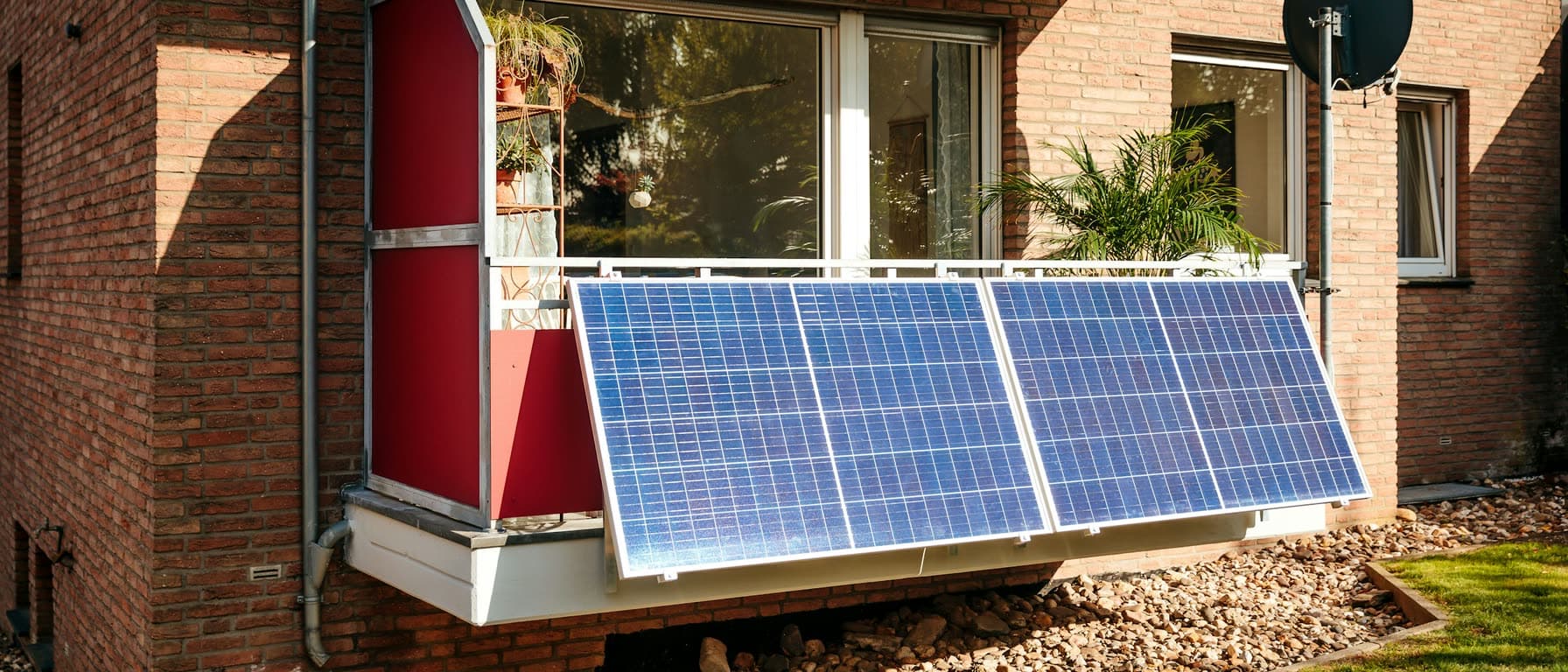
Φωτοβολταϊκό μπαλκονιού και μπαταρία χωρίς φωτοβολταϊκό: τι επιτρέπει η νέα ΚΥΑ (ΦΕΚ Β 5573/2026)
Έως 800 W από το μπαλκόνι, αυτόνομες μπαταρίες χωρίς έγχυση στο δίκτυο και νέοι κανόνες στο net billing. Τι ισχύει, τι χρειάζεται για να συνδεθείτε και πώς ο αυτοματισμός κάνει την επένδυση να αποδώσει.
Διαβάστε περισσότερα →
Οδηγία EPBD 2024/1275: τι αλλάζει για αυτοματισμό, έλεγχο και φόρτιση EV στα νέα κτίρια (οδηγός για μηχανικούς)
Η νέα Οδηγία για την Ενεργειακή Απόδοση των Κτιρίων φέρνει υποχρεώσεις για αυτοματισμό και έλεγχο σε κατοικίες και επαγγελματικά κτίρια, αυτόματο έλεγχο φωτισμού και προκαλωδίωση για φόρτιση. Τι ισχύει, με ποιες προθεσμίες, και πώς σχεδιάζουμε από τώρα.
Διαβάστε περισσότερα →